Textile Education Meets Industry Innovation: Student Projects Transforming the Global Apparel Sector
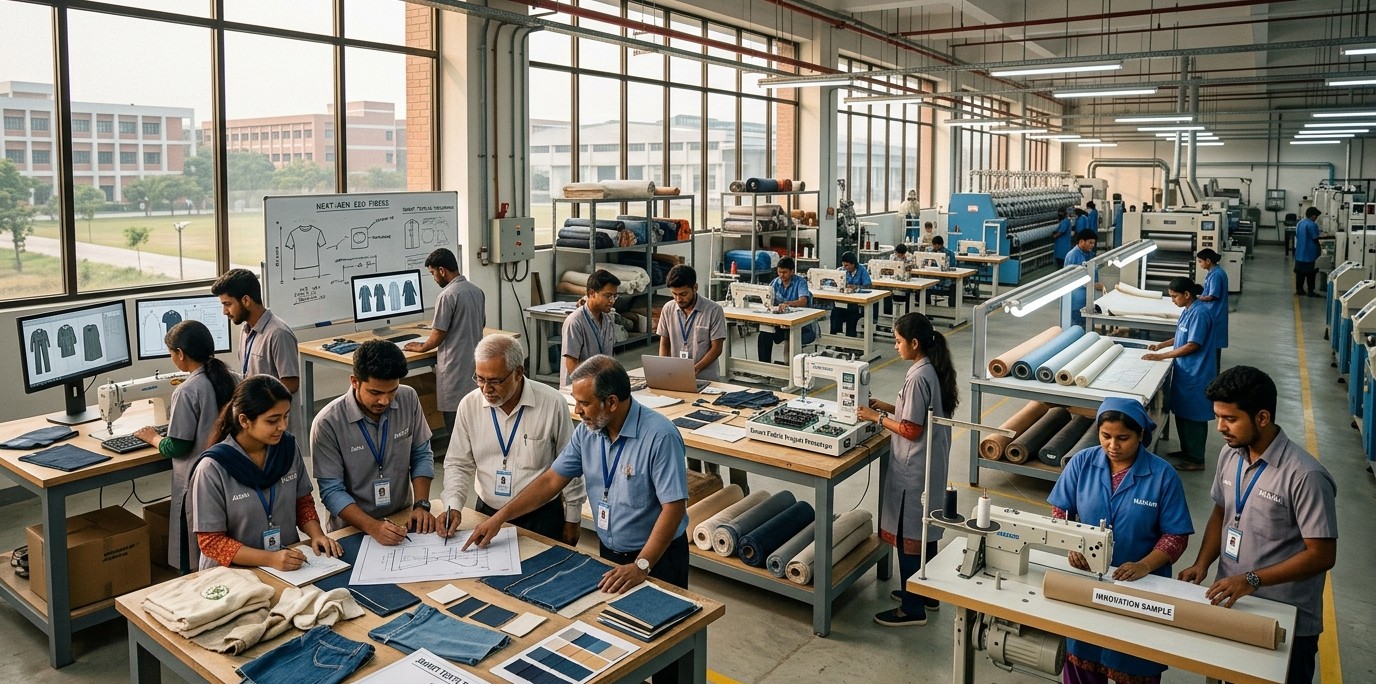
Across the global textile and apparel education landscape, a new trend is emerging where simple campus projects are no longer limited to academic grading—they are transforming into real industry solutions. Students who once worked on classroom assignments are now stepping into factories, design studios, and production floors with ideas that are being actively adopted by companies.
From Academic Projects to Real Industry Applications
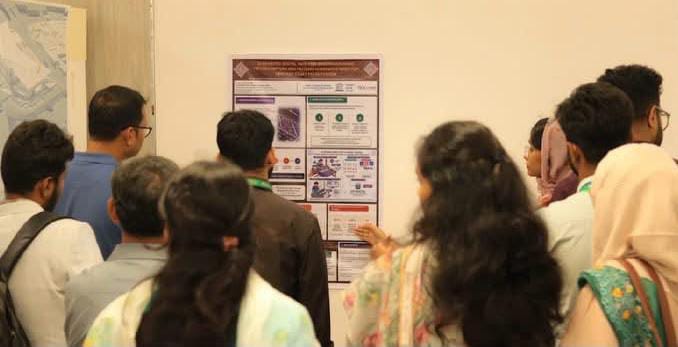
In many textile universities and institutes, final-year projects are focusing on real-world challenges such as fabric waste reduction, sustainable dyeing methods, smart garment design, and production efficiency improvements. What makes these projects powerful is their direct connection to industry problems rather than purely theoretical concepts.
Innovation Driven by Young Talent
Several students have developed low-cost automation ideas for sewing lines, improved fabric inspection techniques using computer vision concepts, and innovative fabric blends that reduce production cost while maintaining quality. In some cases, these prototypes have attracted the attention of local manufacturers and export-oriented factories looking for practical innovation.
Stronger Collaboration Between Academia and Industry
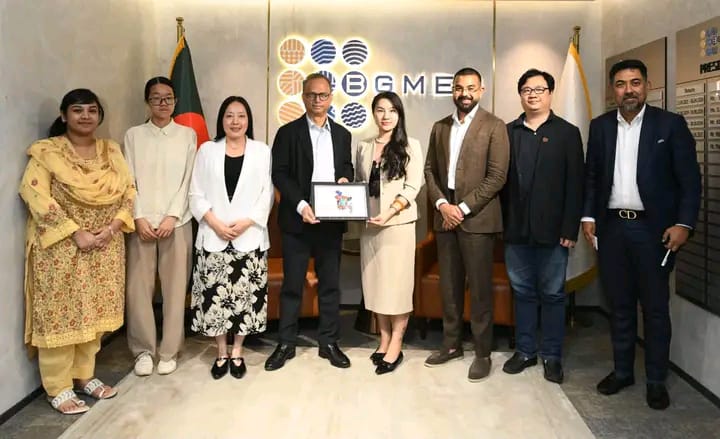
The shift is also being driven by closer collaboration between academia and industry. Textile mills, buying houses, and apparel factories are increasingly engaging with universities to solve operational challenges. This has created opportunities for students to test their ideas in real production environments, gaining exposure far beyond traditional classroom learning.
Internships and Hands-On Industrial Training
Internships and industrial training programs are playing a major role in this transformation. Students are not only observing factory operations but also contributing ideas that improve workflow, reduce defects, and optimize resource usage. Many young graduates are entering the industry with a mindset of problem-solving rather than just job-seeking.
Shaping the Future Workforce of Textiles
Experts believe this trend is reshaping the future workforce of the textile sector. Instead of waiting years to contribute meaningfully, students are now impacting production systems even before graduation. This early exposure is helping bridge the gap between academic knowledge and industrial requirements.
Conclusion: Students as Future Industry Innovators
As the textile industry becomes more competitive and technology-driven, the value of fresh, innovative thinking from campuses is increasing. The stories emerging from these projects show that the next generation of textile professionals is not just learning about the industry—they are actively shaping it.