Bangladesh Textile Export Sector 2026: Policy Shifts, Market Trends, and Future Direction
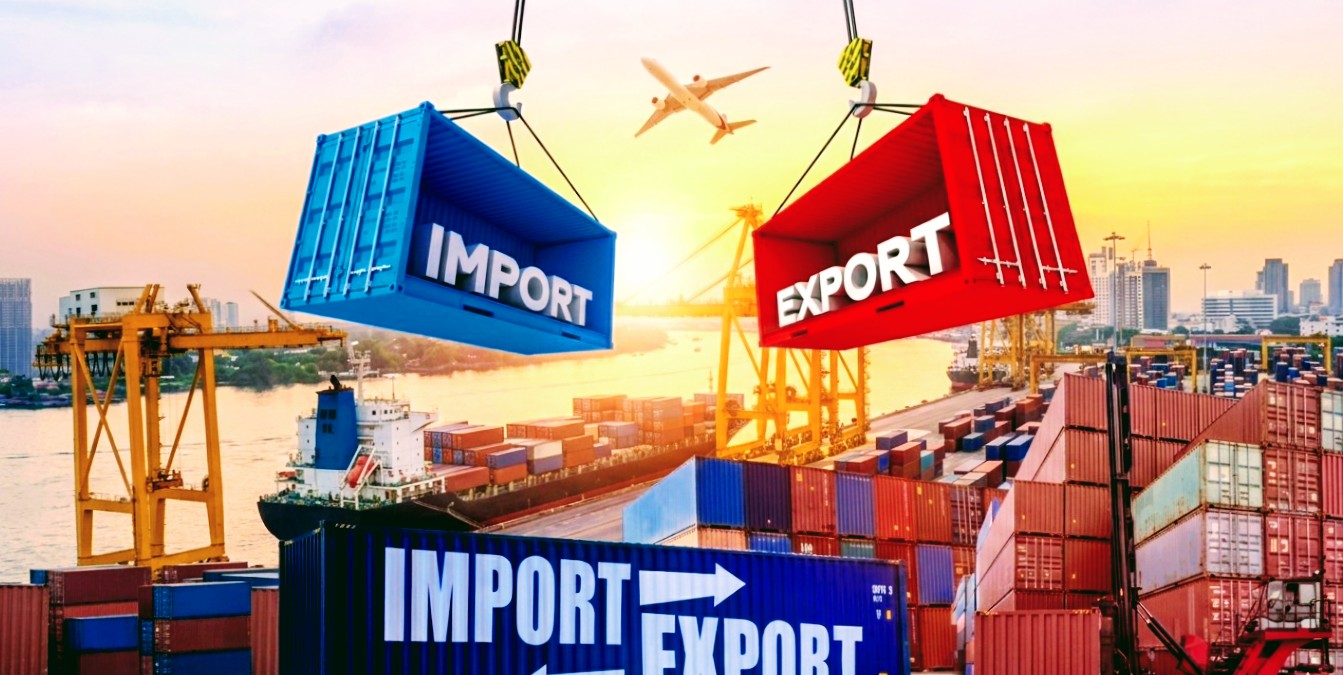
Bangladesh’s textile and apparel export sector continues to remain one of the strongest pillars of the national economy, but recent shifts in global demand, trade policies, and compliance requirements are reshaping the industry’s direction. Exporters are closely monitoring both opportunities and challenges as the country strengthens its position in the global RMG (Readymade Garment) supply chain.
Mixed Export Performance Across Product Categories
In recent months, export performance has shown mixed trends across different product categories. While basic garments continue to hold strong demand in major markets such as the EU and the US, there is a noticeable shift toward higher-value products including functional apparel, sustainable textiles, and fashion-forward designs. Buyers are increasingly focusing on suppliers who can ensure both quality consistency and fast turnaround times.
Policy Focus on Diversification and Value Addition
Policy updates from regulatory bodies are also influencing industry operations. The government is emphasizing export diversification, value addition, and compliance with international labor and environmental standards. Incentive structures for export-oriented industries are being adjusted to encourage innovation, green factory development, and technology adoption in manufacturing processes.
Trade Agreements and Global Market Expansion
Trade agreements and preferential market access continue to play a crucial role in maintaining competitiveness. Bangladesh is actively working to secure stronger trade relations with key importing countries while exploring new markets beyond traditional destinations. At the same time, global supply chain shifts are pushing exporters to become more flexible and responsive to changing buyer requirements.
Operational Efficiency and Industry Challenges
On the operational side, customs procedures, banking support, and logistics efficiency are being improved to reduce lead times and enhance export performance. However, industry stakeholders still highlight challenges such as energy costs, port congestion, and raw material dependency, which require long-term structural solutions.
Sustainability as a New Trade Requirement
Sustainability compliance is becoming a major policy and buyer-driven requirement. Factories are increasingly expected to meet environmental standards, ensure worker safety, and adopt transparent sourcing practices. This shift is gradually moving the industry from cost-based competition to value-based competition.
Future Outlook of Bangladesh’s Export Industry
Experts believe that Bangladesh is entering a critical phase where policy support, industrial modernization, and global market adaptation must work together. With the right strategic direction, the textile export sector has the potential not only to maintain its global leadership in volume but also to grow significantly in value-added segments.