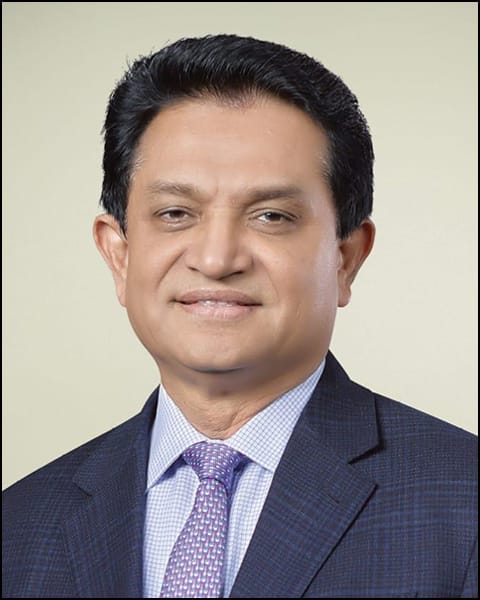
A.K. Azad
Managing Director, Ha-Meem Group
Overview:
Bangladesh’s export-oriented apparel industry is currently navigating one of its most turbulent periods, driven by global trade uncertainty, mounting tariff pressures, and internal policy complications. Prominent business leader and exporter A.K. Azad recently shared his deep concerns regarding the country’s economic trajectory, highlighting a growing sense of frustration among manufacturers and stakeholders.
On the Unprecedented Export Crisis
“In my 40 years of business experience, I have never witnessed such a profound crisis in the export sector. We have worked tirelessly to establish this industry in a respectable global position, yet today, we find ourselves deeply disappointed and frustrated.”
Concerns from International Buyers
“A major international brand recently invited me to their head office. They explained that they had been monitoring Bangladesh’s situation through their own government’s channels. Their assessment was sobering: they view Bangladesh’s current position as weak, with no immediate positive outcomes expected. Hearing this was extremely disheartening.”
Government Communication and Response
“Upon hearing these concerns, I immediately reached out to several government advisers. They took the matter seriously. Subsequently, the commerce adviser informed me that approximately 95 percent of the identified issues have already been resolved, while the remaining matters are being addressed through inter-ministerial coordination.”
Export Growth as a National Priority
“Even if the government faces a revenue loss of Tk 20–30 billion, the country will ultimately benefit if exports increase by an additional USD 5 billion. Export growth must be treated as a top national priority.”
The Weight of Tariff Pressure
“One of my primary buyers emailed me stating that if the tariff imposed on Bangladesh (effective from August 1) is not rescinded, I would have to personally bear 35 percent of that tariff cost. The critical question remains: how can manufacturers possibly absorb such an immense financial burden?”
Lessons from Indonesia’s Strategic Synergy
“Through a joint venture, I have business operations in Indonesia. There, the government and the business community work in strategic harmony. They appoint professional lobbyists and engage diplomatically at every international level. Unfortunately, in Bangladesh, we have lacked that level of coordinated institutional support.”
Uncertainty in Policy and Leadership
“There is a concern regarding continuity. If the current leadership remains in charge for only seven or eight months, what happens next? The business community needs to know to whom the responsibility will be handed over and what the long-term roadmap looks like.”
The Need for Robust International Lobbying
“There is a dangerous assumption that these problems will somehow resolve themselves automatically. Because of this mindset, there hasn’t been enough serious investment in international lobbying or strategic diplomatic representation.”
A Direct Message to the Government
“The government recently noted that tariff decisions would ultimately be made by the Trump administration, rather than the USTR alone. If that is the case, our diplomatic efforts must be elevated to that highest executive level immediately.”
Final Remarks
“At this stage, we are still uncertain about how much can be achieved through lobbying alone. Bangladesh is passing through an extremely difficult period, and immediate, coordinated action between the state and the private sector is no longer optional—it is a necessity.”