Global Fashion Industry Transformation 2026: Rising Demand for Sustainable Apparel
The global fashion and textile industry is undergoing a major transformation in 2026 as demand for sustainable apparel continues to rise rapidly across international markets. Consumers in Europe, North America, and other developed regions are becoming increasingly aware of environmental issues, ethical sourcing, and responsible production practices. As a result, eco-friendly clothing is now one of the fastest-growing segments in the global apparel market.
Changing Consumer Behavior and Expectations
Modern consumers are no longer focused only on price and style. They now want to know how their clothes are made, what materials are used, and whether production processes are environmentally safe. This shift in consumer behavior has encouraged many leading fashion brands to launch sustainable collections made from recycled fibers, organic cotton, biodegradable fabrics, and low-impact materials.
Sustainable Sourcing and Production Practices
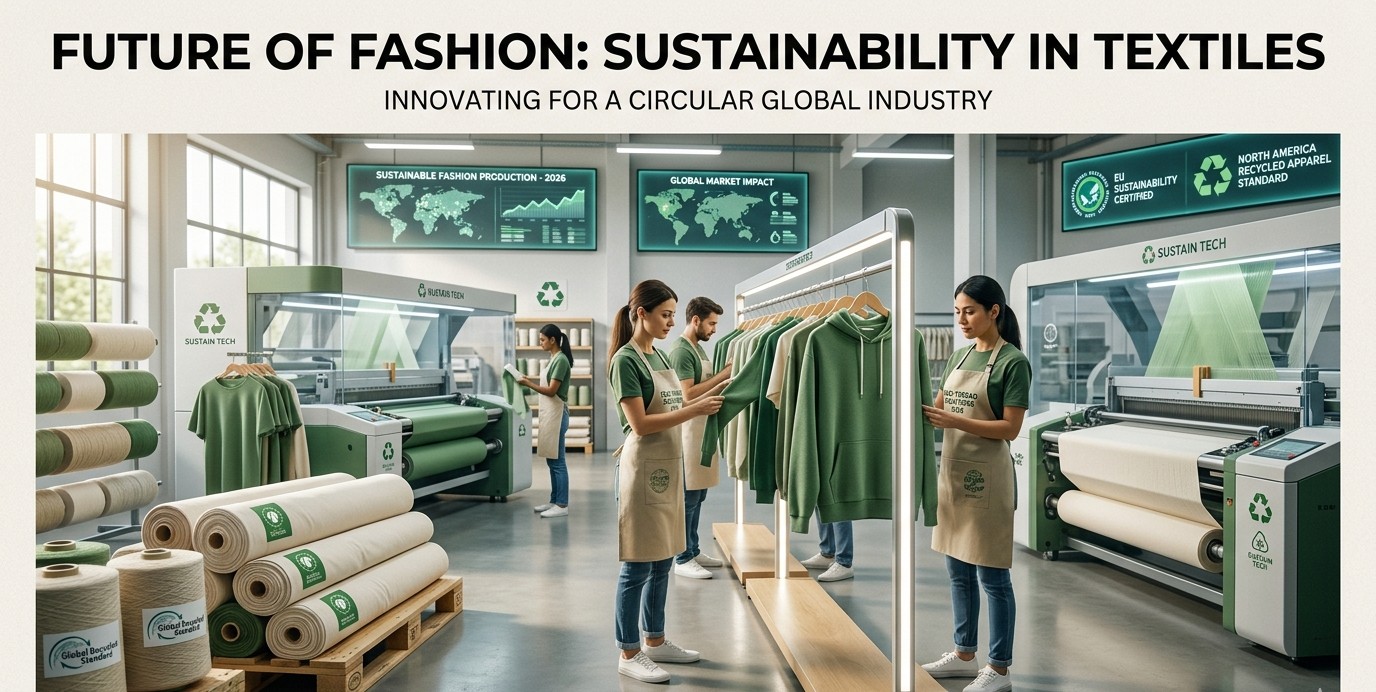
Major international retailers are also updating their sourcing strategies. Many brands now prefer factories that use water-saving dyeing systems, renewable energy, reduced chemical usage, and waste recycling programs. Transparency and supply chain responsibility have become key priorities for global buyers.
Opportunities for Textile-Exporting Countries
For textile-exporting countries, this trend creates significant new business opportunities. Nations such as Bangladesh, Vietnam, Turkey, and India can benefit strongly by aligning their production systems with global sustainability standards. Bangladesh, with its strong ready-made garment sector and growing number of green-certified factories, has the potential to become a leading hub for sustainable apparel manufacturing.
Future Outlook and Industry Impact
Industry experts believe factories that invest in cleaner technology, skilled workforce development, and sustainable innovation will enjoy long-term advantages in the international market. Those who fail to adapt may face challenges as buyers continue to demand higher environmental and social compliance.
The sharp rise in sustainable apparel demand is more than a temporary trend—it reflects the future direction of the global textile industry. Manufacturers who take action today will be better positioned to lead tomorrow’s competitive fashion market.