In the proposed budget for FY 2026–27, the government has suggested increasing import duties on several key raw materials to protect domestic manufacturing industries. However, entrepreneurs in the manufacturing and export-oriented sectors fear that the move may raise production costs, reduce competitiveness, and create additional inflationary pressure on consumers.
Under the proposal, the import duty on Polyvinyl Chloride (PVC) Resin and Polyethylene Terephthalate (PET) Resin has been increased from 5 percent to 10 percent. At the same time, the duty on Polyester Staple Fiber (PSF) is set to rise from 1 percent to 5 percent.
PVC resin is a vital raw material used in the production of plastics, pipes, water tanks, healthcare products, electrical components, and various industrial goods. PET resin is primarily used in beverage and food packaging, plastic bottles, packaging materials, and synthetic fiber production. Industry stakeholders warn that any increase in the cost of these materials could have far-reaching implications across multiple sectors.
Significant Gap Between Demand and Local Supply
According to industry sources, Bangladesh’s annual demand for PVC resin is approximately 500,000 tons, while demand for PET resin stands at around 850,000 tons. In contrast, local production capacity is estimated at only 150,000 tons and 100,000 tons respectively, leaving a significant portion of demand dependent on imports.
Entrepreneurs argue that local production remains insufficient to meet overall market demand. Moreover, domestically produced raw materials are often more expensive than imported alternatives, which could further increase production costs.
Plastic Industry Warns of Higher Product Prices
Entrepreneurs in the plastic sector believe the proposed duty hike will increase raw material procurement costs and ultimately drive up the prices of finished products.
Riyad Mahmud, Managing Director of National Polymer Group, stated that local producers have limited supply capacity and their products are comparatively more expensive. As a result, manufacturers will be compelled to purchase raw materials at higher prices, leading to increased product prices and potentially weaker consumer demand.
He also warned that such policies could strengthen the market influence of a limited number of producers, creating risks of market imbalance and reduced competition.
Concerns in the Man-Made Fiber-Based Textile Sector
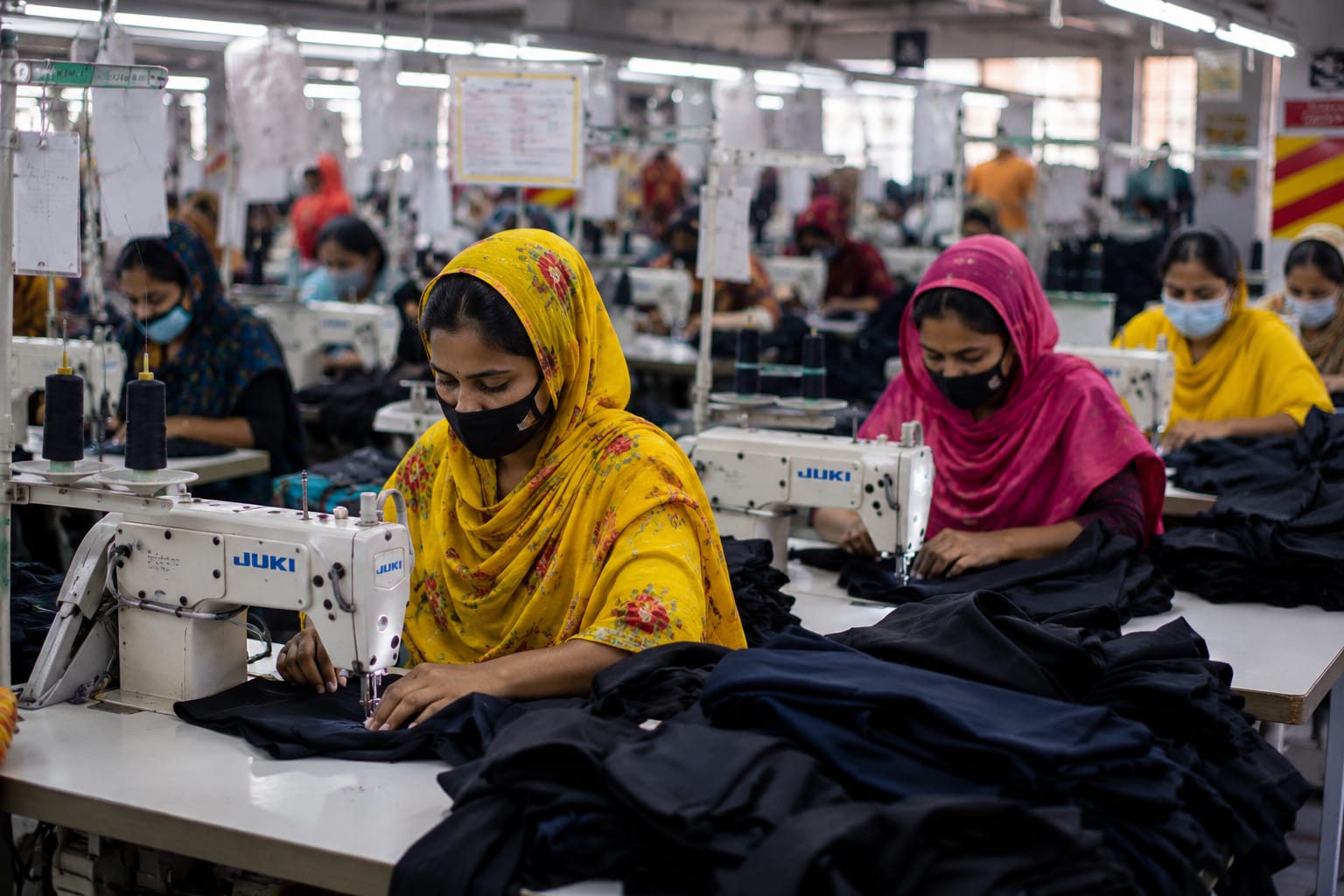
Nearly one-fourth of Bangladesh’s garment export earnings come from Man-Made Fiber (MMF)-based products. Globally, around 70 percent of the apparel market is now dependent on such fibers.
Recognizing this potential, several major industrial groups in Bangladesh have invested heavily in the production of MMF-based yarn and fabrics. However, industry stakeholders report that local Polyester Staple Fiber production currently meets only 10–15 percent of total demand.
Salehuddin Zaman Khan, Managing Director of NZ Group, said the proposed duty increase would raise the cost of yarn and fabric production, potentially undermining Bangladesh’s competitiveness in global markets.
“Competing countries such as India provide various incentives and policy support to their industries. If our production costs continue to rise, competing in export markets will become increasingly difficult,” he said.
He added that while supporting domestic raw material industries is important, such support should be provided through subsidies, low-interest financing, or other incentives rather than through higher import duties.
Concerns Over Bonded Facility Utilization
A section of industry owners believes that higher duties on raw materials may encourage greater reliance on bonded warehouse facilities, which allow duty-free imports. This could prompt manufacturers to import finished inputs instead of producing yarn and fabrics locally, ultimately increasing import dependence and placing additional pressure on foreign currency reserves over the long term.
Who Stands to Benefit?
Industry stakeholders believe the proposed duty increase is likely to benefit a small number of major domestic raw material producers.
Meghna PVC Limited is among the leading local producers of PVC and PET resin, while companies under TK Group are among the major domestic suppliers of Polyester Staple Fiber.
Officials from Meghna Group have stated that the company has the capacity to rapidly expand production and supply a larger share of the domestic market if demand increases.
Meanwhile, local fiber manufacturers argue that this level of tariff protection is necessary for the growth of domestic industries and could help reduce import dependence in the long run.
The Challenge Ahead
Experts believe that maintaining a balance between protecting domestic industries and preserving the competitiveness of manufacturing sectors remains the biggest challenge.
While the development of local raw material industries is important, rising production costs could negatively impact export growth and weaken Bangladesh’s position in global markets. Stakeholders therefore emphasize that the implementation of the proposed budget measures should be guided by a balanced policy approach that takes into account the interests of all segments of the industry.